
Recently, someone jumped over my wall—a literal breach of my personal space. It got me thinking about digital space, and how easily those boundaries are crossed, too. We live in a world where people expect content to be free, where images are scraped, reshaped, remixed—all without permission. The idea of ownership gets murky when creativity is so easily consumed and repackaged.
In the beginning, I was a big believer in using watermarks. I thought it was the best way to protect my work. But I quickly learned they came with two big downsides:
- They distracted from the image and took away from what I was trying to share.
- With modern software, they were ridiculously easy to remove anyway.
That’s not to say you shouldn’t use them—if watermarks work for you, keep at it. But for me, they felt like noise. I wanted my images to speak as they were intended, without added clutter or compromise.
I’m not trying to sound like a purist. I’m not a professional photographer—far from it. Most of my images, by my own standards, are “good enough to share,” but I’m under no illusion that they’re winning awards. Still, I understand why I leaned on watermarks in the early days. It felt like a way to assert copyright, to protect something I made. Maybe there was also a quiet hope that someone, somewhere, might want to buy one of them.
That hope still lingers, honestly. I’d love to be the kind of person who gets to sell their images one day. But for now, watermarks aren’t the way I want to go.
I want to believe we live in a world where most people are respectful—where people ask before they use something that isn’t theirs. Sadly, we’re also in a world where some will always take without asking. Watermarks, in that sense, are like spray-and-pray laws: made for the few who act without integrity, while cluttering things for the many who don’t.

If I slap a watermark across one of my images, what am I really achieving? Does it still look like the image I wanted to share? Or have I just made it harder to enjoy? Sure, I could make it smaller and tuck it into a corner—but then, what’s the point?
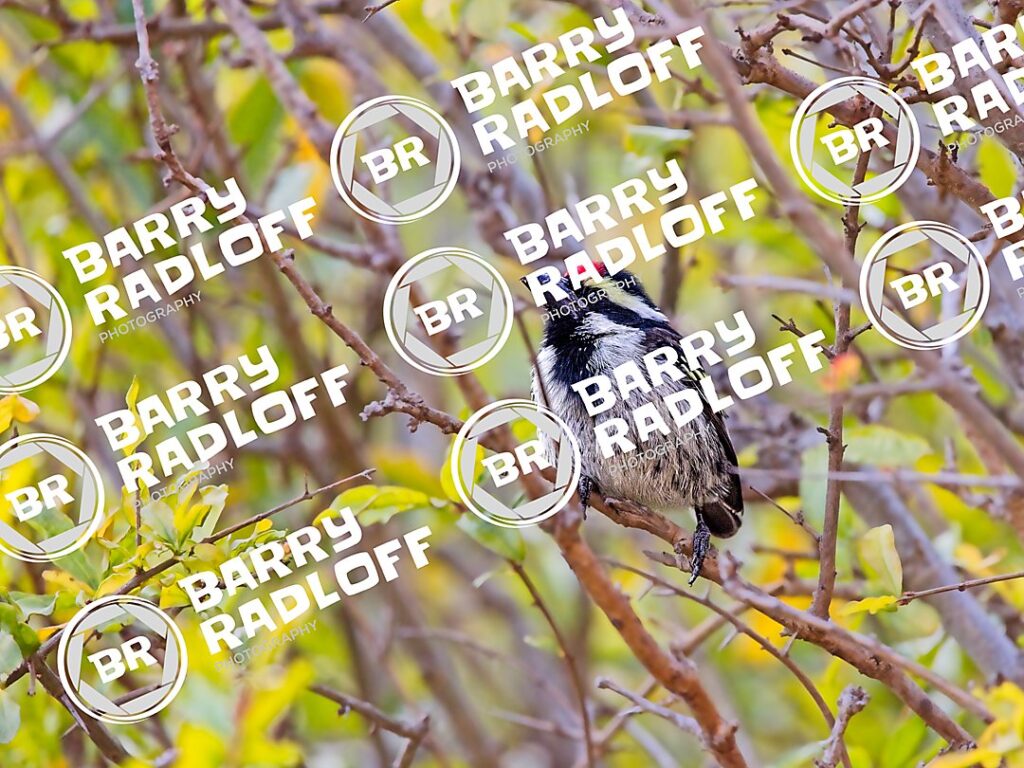
I’ve seen some watermarks so loud they drown out the subject altogether. I get it—there’s fear, and maybe even some bitterness in that approach. But where does the beauty of a simple image go when it’s hidden behind that kind of defensiveness?
Maybe that’s the problem with so much of the law and the way we try to protect things—we design systems around the lowest common denominator. We over-regulate because a handful of people can’t be trusted. And I’m lucky, I don’t rely on my photography for income—not yet, at least. Who knows, maybe that will change one day. But that’s a thought for another time.
At the heart of it, I think it’s about respect… and selfishness. I see good people every day—kind, thoughtful people. But when money enters the picture, it’s like a switch flips. The internal compass starts spinning, and suddenly it’s easier to justify cutting corners. That’s the part I struggle with.
For now, I’ll keep sharing my images the way I want to—with clarity, with intention, and without watermarks. Maybe that’ll change, and if it does, I’ll write about it. Maybe I’ll even laugh at how idealistic I sounded here.
Until then, happy snapping.